What is Backend Developer? Roadmap to Becoming a Backend Developer
Why are backend developers always in high demand? Is the learning path to becoming a backend developer easy? Let's explore interesting information about Backend Developers with my Blog!
1. Introduction
Many applications have a front end and a back end. The front end is the user interface—the part that users interact with. The back end runs behind the scenes on a server and is responsible for overall application functionality.
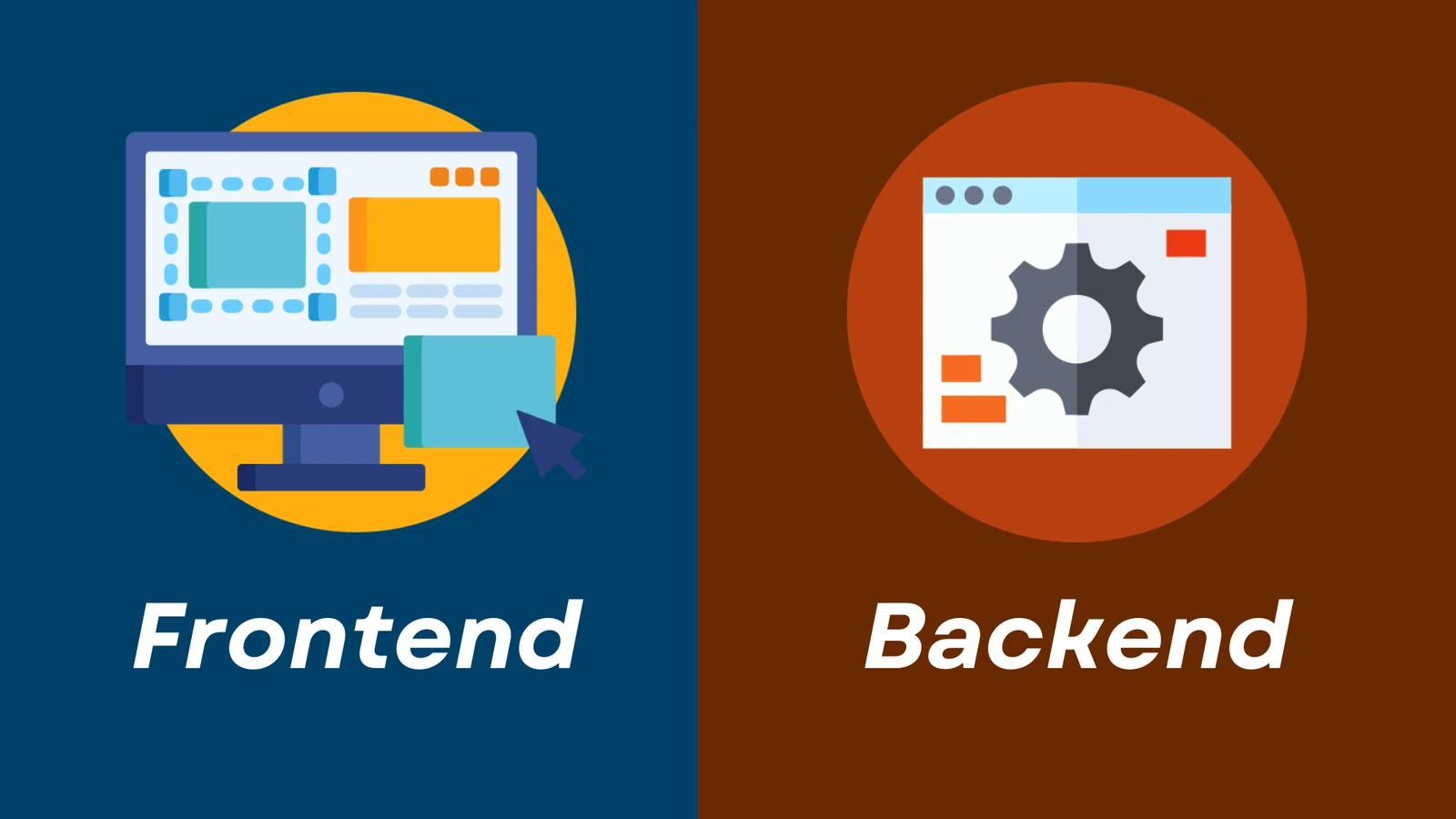
Whenever you submit form data, upload files, access databases, or run other complex operations, these commands are executed on the back-end and results are posted back to the front end.
In essence, back-end development is about building the core of the application. Backend engineers use various frameworks, open-source programming languages, libraries, and APIs to accomplish their tasks.
2. What is a Backend Developer?
A backend developer is a type of software developer who focuses on the server-side of web applications. They are responsible for creating, managing, and maintaining the technology that powers the backend of a website or web application. This includes server logic, databases, and APIs (Application Programming Interfaces) that connect the frontend (what users interact with) to the backend (the server and database).
3. Popular Technologies and Languages for Backend Development
Backend development involves a variety of technologies and languages. Here are some of the most popular ones:
Programming Languages:

JavaScript (Node.js):
- Node.js: Allows for server-side scripting using JavaScript, making it possible to use a single programming language for both frontend and backend.
Python:
Django: A high-level framework that encourages rapid development and clean, pragmatic design.
Flask: A lightweight framework for building web applications with Python.
Java:
- Spring: A comprehensive framework for building enterprise-grade applications.
Ruby:
- Ruby on Rails: A robust framework that makes it easy to build database-backed web applications.
PHP:
Laravel: A web application framework with expressive, elegant syntax.
Symfony: A set of reusable PHP components and a PHP framework for web projects.
C#:
- ASP.NET: A framework for building web applications and services with .NET and C#.
Go:
- Known for its simplicity and performance, especially for concurrent applications.
Rust:
- Gaining popularity for its performance and safety features.
Database:
SQL Databases:
MySQL: An open-source relational database management system.
PostgreSQL: A powerful, open-source object-relational database system.
SQLite: A C-language library that implements a small, fast, self-contained SQL database engine.
NoSQL Databases:
MongoDB: A document-oriented database that stores data in JSON-like documents.
Redis: An in-memory data structure store used as a database, cache, and message broker.
Cassandra: A distributed NoSQL database designed to handle large amounts of data across many commodity servers.
Web Servers:
Nginx:
- A high-performance web server, reverse proxy, and load balancer.
Apache:
- An open-source web server that provides a secure, efficient, and extensible server.
API Technologies:
RESTful APIs:
- REST (Representational State Transfer) is an architectural style for designing networked applications.
GraphQL:
- A query language for your API, and a server-side runtime for executing queries by using a type system you define for your data.
DevOps and Containerization:
Docker:
- A platform for developing, shipping, and running applications in containers.
Kubernetes:
- An open-source system for automating the deployment, scaling, and management of containerized applications.
CI/CD Tools:
- Jenkins, CircleCI, Travis CI: Tools for continuous integration and continuous deployment.
Version Control:
Git:
- A distributed version control system for tracking changes in source code during software development.
GitHub, GitLab, Bitbucket:
- Platforms for hosting and managing Git repositories.
These technologies and languages form the backbone of backend development, providing the tools needed to build and maintain robust, scalable, and efficient web applications.
4. The Role of a Backend Developer
Backend developers are essential to the development of web applications, focusing on the server-side logic, databases, and integration of various services. Here’s a detailed look at their role:
Key Responsibilities:
Server-Side Development:
Logic Implementation: Develop and maintain the core logic that powers web applications
Performance Optimization: Ensure the server responds quickly and efficiently to requests.
Scalability: Design systems that can handle increased load by optimizing code and database queries.
Database Management:
Database Design: Create and manage databases that store and organize data efficiently.
Data Integrity: Implement measures to ensure data is accurate and consistent across the database.
Backup and Recovery: Develop strategies for data backup and restoration to prevent data loss.
API Development and Integration:
API Design: Create APIs to allow the frontend to communicate with the backend and other services.
Third-Party Integration: Integrate external services and APIs to enhance functionality.
Security and Data Protection:
Authentication and Authorization: Implement robust authentication and authorization mechanisms to protect user data.
Data Encryption: Ensure data is encrypted during transmission and storage to prevent unauthorized access.
Collaboration and Communication:
Team Collaboration: Work closely with frontend developers, designers, and project managers to align on project goals.
Documentation: Write clear documentation for code, APIs, and system architecture to facilitate collaboration and future maintenance.
Testing and Debugging:
Unit Testing: Write unit tests to ensure individual components function correctly.
Integration Testing: Test the interaction between different parts of the application.
Debugging: Identify and fix bugs that arise during development and production.
Version Control and Deployment:
Version Control Systems: Use tools like Git to manage code changes and collaborate with other developers.
Continuous Integration/Continuous Deployment (CI/CD): Set up CI/CD pipelines to automate testing and deployment processes.
Skills Required:
Programming Languages:
- Proficiency in backend languages such as JavaScript (Node.js), Python, Java, Ruby, PHP, C#, and Go.
Database Management:
- Knowledge of SQL and NoSQL databases, including MySQL, PostgreSQL, MongoDB, and Redis.
API Development:
- Experience with RESTful and GraphQL APIs.
Server Management:
- Understanding of server architecture and experience with tools like Docker and Kubernetes.
Security:
- Knowledge of security best practices, including encryption, authentication, and authorization.
Problem-Solving:
- Strong analytical skills to identify and resolve issues efficiently.
Version Control:
- Proficiency with Git and understanding of version control principles.
Tools and Technologies:
Frameworks and Libraries:
- Node.js for JavaScript, Django and Flask for Python, Spring for Java, Ruby on Rails for Ruby, Laravel and Symfony for PHP, and ASP.NET for C#.
Databases:
- SQL databases like MySQL, PostgreSQL, SQLite, and NoSQL databases like MongoDB, Redis, Cassandra.
Web Servers:
- Nginx and Apache.
DevOps Tools:
- Docker for containerization, Kubernetes for orchestration, and CI/CD tools like Jenkins, CircleCI, and Travis CI.
Version Control:
- Git and platforms like GitHub, GitLab, and Bitbucket.
Backend developers are vital to the creation and maintenance of functional, secure, and scalable web applications. Their role encompasses a wide range of responsibilities, from server-side logic and database management to API development and security implementation. Mastery of various programming languages, tools, and technologies is essential for backend developers to succeed in their roles.
5. Essential Skills for a Backend Developer
Backend development requires a diverse set of skills to handle the complexities of server-side logic, database management, and system integrations. Here are the essential skills every backend developer should possess:
Programming Languages:
Java: A robust, object-oriented language often used in enterprise-level applications with the Spring framework.
Go: Known for its performance and efficiency in concurrent applications.
Python: Widely used for its simplicity and readability, with popular frameworks like Django and Flask.
Database Management:
SQL Databases: Proficiency in relational databases like MySQL, PostgreSQL, and SQLite.
NoSQL Databases: Experience with document-oriented databases like MongoDB, in-memory data stores like Redis, and distributed databases like Cassandra.
Database Design: Skills in designing efficient database schemas and understanding normalization and denormalization.
Query Optimization: Ability to write efficient queries and understand indexing, query planning, and performance tuning.
API Development and Integration:
RESTful APIs: Understanding of REST principles to build scalable and maintainable APIs.
GraphQL: Knowledge of GraphQL for more flexible and efficient data querying.
API Security: Implementation of authentication and authorization methods (e.g., OAuth, JWT).
Server Management:
Server Architecture: Understanding of server setup, configuration, and management.
Web Servers: Experience with Nginx and Apache for serving web applications.
Containerization: Proficiency with Docker for containerizing applications.
Orchestration: Knowledge of Kubernetes for managing containerized applications.
Security:
Data Protection: Implementing encryption for data at rest and in transit.
Secure Coding Practices: Understanding common security vulnerabilities (e.g., SQL injection, XSS) and how to prevent them.
Authentication and Authorization: Implementing secure user authentication and role-based access control.
Version Control:
Git: Proficiency with Git for version control and collaboration.
Platforms: Experience with GitHub, GitLab, or Bitbucket for code repository management.
Performance Optimization:
Caching Strategies: Using caching mechanisms (e.g., Redis, Memcached) to improve performance.
Load Balancing: Implementing load balancers to distribute traffic across multiple servers.
Scalability: Designing applications that can scale horizontally and vertically.
Testing and Debugging:
Unit Testing: Writing unit tests to verify individual components.
Integration Testing: Testing the interaction between different parts of the application.
Debugging Tools: Proficiency with debugging tools and techniques to identify and fix issues.
DevOps and CI/CD:
CI/CD Pipelines: Setting up continuous integration and continuous deployment pipelines using tools like Jenkins, CircleCI, or Travis CI.
Infrastructure as Code: Using tools like Terraform or Ansible for infrastructure management.
Soft Skills:
Problem-Solving: Strong analytical skills to troubleshoot and resolve issues.
Communication: Effective communication skills to collaborate with frontend developers, designers, and stakeholders.
Time Management: Ability to prioritize tasks and manage time effectively.
Backend development requires a blend of technical and soft skills to manage the complexities of server-side operations, database interactions, and application security. Mastery of these essential skills enables backend developers to build robust, scalable, and efficient web applications.
6. Benefits and Challenges of Being a Backend Developer
Benefits of Being a Backend Developer
High Demand and Job Security:
Strong Job Market: The demand for skilled backend developers is consistently high, providing numerous job opportunities.
Job Stability: Given the essential role backend developers play in web and software development, they enjoy a level of job security.
Competitive Salaries:
- Attractive Compensation: Backend developers often receive competitive salaries, reflecting their specialized skills and importance in the tech industry.
Opportunities for Advancement:
Career Growth: There are clear paths for career advancement, from senior backend developer roles to technical lead or engineering manager positions.
Skill Development: Continuous learning and skill development can lead to further opportunities in various tech domains.
Challenges of Being a Backend Developer
Complex Problem-Solving:
Technical Complexity: Backend development involves complex problem-solving and requires a deep understanding of various technologies and systems.
Debugging Issues: Identifying and fixing bugs, especially in large codebases, can be challenging and time-consuming.
High Responsibility:
System Reliability: Backend developers are responsible for the reliability and performance of applications, which can be a significant pressure.
Security Concerns: Ensuring data security and protecting against breaches is a critical and ongoing challenge.
Keeping Up with Technology:
Rapid Technological Changes: The fast pace of technological advancements requires continuous learning and adaptation.
Learning Curve: Mastering new tools, languages, and frameworks can be demanding
Workload Management:
Deadlines: Managing tight deadlines and delivering high-quality work under pressure is a common challenge.
Task Prioritization: Balancing multiple tasks and projects requires excellent time management and prioritization skills.
7. Career Opportunities and Development Path
Backend development offers a wide range of career opportunities and a clear development path for those interested in progressing within the field. Here’s an overview of the potential career trajectory and the opportunities available:
Entry-Level Positions
Junior Backend Developer:
Responsibilities: Assist in developing and maintaining backend components, write simple scripts, and handle minor bug fixes.
Skills Needed: Basic knowledge of programming languages (e.g., JavaScript, Python, Java), understanding of databases, and familiarity with version control systems like Git.
Mid-Level Positions
Backend Developer:
Responsibilities: Develop server-side logic, manage databases, create APIs, ensure application performance, and implement security measures.
Skills Needed: Proficiency in backend programming languages and frameworks, experience with SQL and NoSQL databases, knowledge of RESTful and GraphQL APIs, and understanding of server management.
DevOps Engineer:
Responsibilities: Oversee the deployment, automation, and management of applications, work with CI/CD pipelines, and ensure infrastructure scalability and reliability.
Skills Needed: Knowledge of cloud platforms (AWS, Azure, GCP), containerization tools (Docker, Kubernetes), and automation scripts (Ansible, Terraform).
Senior-Level Positions
Senior Backend Developer:
Responsibilities: Lead backend development projects, mentor junior developers, design complex systems, optimize application performance, and ensure robust security practices.
Skills Needed: Advanced knowledge of multiple backend languages and frameworks, extensive experience with databases, strong problem-solving skills, and leadership abilities.
Technical Lead / Team Lead:
Responsibilities: Oversee the technical direction of projects, coordinate between different development teams, ensure code quality, and guide the team in best practices.
Skills Needed: Strong technical expertise, excellent leadership and communication skills, ability to manage multiple projects, and experience in project management.
Development Path
Education and Learning:
Formal Education: Obtain a degree in Computer Science, Software Engineering, or a related field.
Online Courses and Bootcamps: Participate in coding bootcamps and online courses (e.g., Coursera, Udemy, edX) to gain practical skills.
Skill Development:
Programming Languages: Master backend languages such as JavaScript (Node.js), Python, Java, Ruby, PHP, C#, and Go.
Frameworks and Tools: Gain proficiency in frameworks (e.g., Django, Spring, Ruby on Rails) and tools (e.g., Docker, Kubernetes).
Practical Experience:
Projects and Internships: Work on real-world projects, contribute to open-source projects, and pursue internships to gain hands-on experience.
Build a Portfolio: Create a portfolio showcasing your projects, code samples, and contributions to open-source communities.
Certifications:
- Certifications: Obtain relevant certifications (e.g., AWS Certified Solutions Architect, Microsoft Certified: Azure Developer Associate) to validate your skills and knowledge.
Networking and Community Involvement:
Networking: Attend industry conferences, join professional networks (e.g., LinkedIn), and participate in local tech meetups.
Community: Engage with online communities (e.g., Stack Overflow, GitHub), contribute to discussions, and share your knowledge.
8. Conclusion
Society is constantly changing and developing, especially with the rapid advancements in technology. Backend developers must continually enhance their professional skills and stay updated with the latest technology trends. Additionally, participating in programming communities can help you hone your skills and learn from others in the field.