Nhà phát triển Backend là gì? Lộ trình để trở thành Nhà phát triển Backend
Tại sao các nhà phát triển backend luôn có nhu cầu cao? Con đường học tập để trở thành một nhà phát triển backend có dễ dàng không? Hãy khám phá những thông tin thú vị về Nhà phát triển Backend với Blog của tôi!
1. Giới thiệu
Nhiều ứng dụng có một phần giao diện người dùng (front end) và một phần phía sau (back end). Giao diện người dùng là phần mà người dùng tương tác. Phần backend chạy phía sau trên máy chủ và chịu trách nhiệm về chức năng tổng thể của ứng dụng.
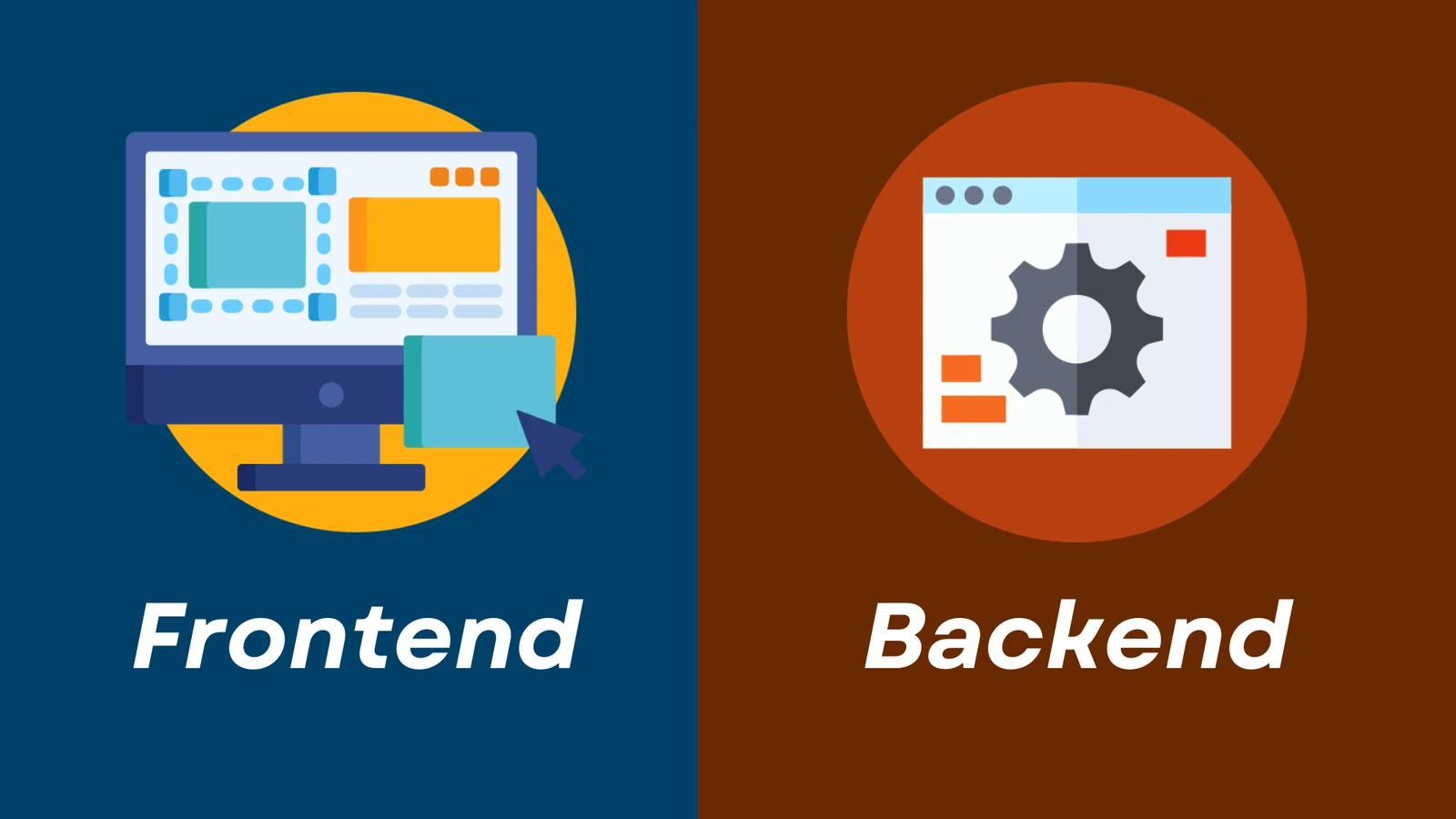
Mỗi khi bạn gửi dữ liệu từ biểu mẫu, tải tệp lên, truy cập cơ sở dữ liệu hoặc thực hiện các thao tác phức tạp khác, các lệnh này được thực hiện trên backend và kết quả được trả về frontend.
Về bản chất, phát triển backend là xây dựng lõi của ứng dụng. Các kỹ sư backend sử dụng các khung công tác, ngôn ngữ lập trình mã nguồn mở, thư viện và API khác nhau để hoàn thành nhiệm vụ của mình.
2. Nhà phát triển Backend là gì?
Nhà phát triển backend là một loại nhà phát triển phần mềm tập trung vào phía máy chủ của các ứng dụng web. Họ chịu trách nhiệm tạo, quản lý và duy trì công nghệ vận hành backend của một trang web hoặc ứng dụng web. Điều này bao gồm logic máy chủ, cơ sở dữ liệu và các API (Application Programming Interfaces) kết nối frontend (những gì người dùng tương tác) với backend (máy chủ và cơ sở dữ liệu).
3. Các công nghệ và ngôn ngữ phổ biến cho phát triển Backend
Phát triển backend liên quan đến nhiều công nghệ và ngôn ngữ khác nhau. Dưới đây là một số công nghệ phổ biến:
Ngôn ngữ lập trình:

JavaScript (Node.js):
- Node.js: Cho phép viết script phía máy chủ bằng JavaScript, làm cho việc sử dụng một ngôn ngữ lập trình cho cả frontend và backend trở nên khả thi.
Python:
Django: Một framework cao cấp khuyến khích phát triển nhanh và thiết kế sạch sẽ, thực tế.
Flask: Một framework nhẹ để xây dựng các ứng dụng web bằng Python.
Java:
- Spring: Một framework toàn diện để xây dựng các ứng dụng doanh nghiệp.
Ruby:
- Ruby on Rails: Một framework mạnh mẽ giúp dễ dàng xây dựng các ứng dụng web dựa trên cơ sở dữ liệu.
PHP:
Laravel: Một framework ứng dụng web với cú pháp biểu cảm, thanh lịch.
Symfony: Một bộ các thành phần PHP có thể tái sử dụng và một framework PHP cho các dự án web.
C#:
- ASP.NET: Một framework để xây dựng các ứng dụng và dịch vụ web với .NET và C#.
Go:
- Nổi tiếng về sự đơn giản và hiệu suất, đặc biệt là cho các ứng dụng đồng thời.
Rust:
- Đang ngày càng trở nên phổ biến vì hiệu suất và tính năng an toàn của nó.
Cơ sở dữ liệu::
SQL Databases:
MySQL: Hệ quản trị cơ sở dữ liệu quan hệ mã nguồn mở.
PostgreSQL: Hệ quản trị cơ sở dữ liệu đối tượng mã nguồn mở mạnh mẽ.
SQLite: Thư viện ngôn ngữ C triển khai một động cơ cơ sở dữ liệu SQL nhỏ, nhanh, tự chứa.
NoSQL Databases:
MongoDB: Một cơ sở dữ liệu hướng tài liệu lưu trữ dữ liệu dưới dạng tài liệu JSON.
Redis: Một kho cấu trúc dữ liệu trong bộ nhớ được sử dụng như cơ sở dữ liệu, bộ nhớ đệm và môi giới tin nhắn.
Cassandra: Một cơ sở dữ liệu NoSQL phân tán được thiết kế để xử lý một lượng lớn dữ liệu trên nhiều máy chủ hàng hóa.
Web Servers:
Nginx:
- Một máy chủ web hiệu suất cao, proxy ngược và bộ cân bằng tải.
Apache:
- Một máy chủ web mã nguồn mở cung cấp một máy chủ an toàn, hiệu quả và có thể mở rộng.
API Technologies:
RESTful APIs:
- REST (Representational State Transfer) là một phong cách kiến trúc để thiết kế các ứng dụng mạng.
GraphQL:
- Một ngôn ngữ truy vấn cho API của bạn và một runtime phía máy chủ để thực hiện các truy vấn bằng cách sử dụng một hệ thống kiểu bạn định nghĩa cho dữ liệu của mình.
DevOps and Containerization:
Docker:
- Một nền tảng để phát triển, vận chuyển và chạy các ứng dụng trong các container.
Kubernetes:
-Một hệ thống mã nguồn mở để tự động triển khai, mở rộng và quản lý các ứng dụng container.
CI/CD Tools:
- Jenkins, CircleCI, Travis CI: Các công cụ cho tích hợp liên tục và triển khai liên tục.
Version Control:
Git:
- Một hệ thống quản lý phiên bản phân tán để theo dõi các thay đổi trong mã nguồn trong quá trình phát triển phần mềm.
GitHub, GitLab, Bitbucket:
- Các nền tảng để lưu trữ và quản lý các kho mã Git.
Những công nghệ và ngôn ngữ này tạo nên xương sống của phát triển backend, cung cấp các công cụ cần thiết để xây dựng và duy trì các ứng dụng web mạnh mẽ, mở rộng và hiệu quả.
4. The Role of a Backend Developer
Các nhà phát triển backend rất quan trọng trong việc phát triển các ứng dụng web, tập trung vào logic phía máy chủ, cơ sở dữ liệu và tích hợp các dịch vụ khác nhau. Dưới đây là cái nhìn chi tiết về vai trò của họ:
Trách nhiệm chính:
Phát triển phía máy chủ:
Triển khai logic: Phát triển và duy trì logic cốt lõi vận hành các ứng dụng web.
Tối ưu hóa hiệu suất: Đảm bảo máy chủ phản hồi nhanh chóng và hiệu quả với các yêu cầu.
Khả năng mở rộng: Thiết kế các hệ thống có thể xử lý tải tăng bằng cách tối ưu hóa mã và truy vấn cơ sở dữ liệu.
Quản lý cơ sở dữ liệu:
Thiết kế cơ sở dữ liệu: Tạo và quản lý cơ sở dữ liệu lưu trữ và tổ chức dữ liệu hiệu quả.
Tính toàn vẹn dữ liệu: Thực hiện các biện pháp để đảm bảo dữ liệu chính xác và nhất quán trên cơ sở dữ liệu.
Sao lưu và phục hồi: Phát triển các chiến lược sao lưu và phục hồi dữ liệu để ngăn ngừa mất mát dữ liệu.
Phát triển và tích hợp API:
Thiết kế API: Tạo các API cho phép frontend giao tiếp với backend và các dịch vụ khác.
Tích hợp bên thứ ba: Tích hợp các dịch vụ và API bên ngoài để tăng cường chức năng.
Bảo mật và bảo vệ dữ liệu:
Xác thực và phân quyền: Thực hiện các cơ chế xác thực và phân quyền mạnh mẽ để bảo vệ dữ liệu người dùng.
Mã hóa dữ liệu: Đảm bảo dữ liệu được mã hóa trong quá trình truyền và lưu trữ để ngăn chặn truy cập trái phép.
Hợp tác và giao tiếp:
Hợp tác nhóm: Làm việc chặt chẽ với các nhà phát triển frontend, nhà thiết kế và quản lý dự án để đồng bộ hóa mục tiêu dự án.
Tài liệu: Viết tài liệu rõ ràng cho mã, API và kiến trúc hệ thống để tạo điều kiện hợp tác và bảo trì trong tương lai.
Kiểm thử và gỡ lỗi:
Kiểm thử đơn vị: Viết kiểm thử đơn vị để đảm bảo các thành phần hoạt động chính xác.
Kiểm thử tích hợp: Kiểm thử sự tương tác giữa các phần khác nhau của ứng dụng.
Gỡ lỗi: Xác định và sửa lỗi phát sinh trong quá trình phát triển và sản xuất.
Quản lý phiên bản và triển khai:
Hệ thống quản lý phiên bản: Sử dụng các công cụ như Git để quản lý các thay đổi mã và hợp tác với các nhà phát triển khác.
Tích hợp liên tục/Triển khai liên tục (CI/CD): Thiết lập các pipeline CI/CD để tự động hóa các quy trình kiểm thử và triển khai.
Kỹ năng yêu cầu:
Ngôn ngữ lập trình:
- Thành thạo các ngôn ngữ backend như JavaScript (Node.js), Python, Java, Ruby, PHP, C# và Go.
Quản lý cơ sở dữ liệu:
- Kiến thức về cơ sở dữ liệu SQL và NoSQL, bao gồm MySQL, PostgreSQL, MongoDB và Redis.
Phát triển API:
- Kinh nghiệm với API RESTful và GraphQL.
Quản lý máy chủ:
- Understanding of server architecture and experience with tools like Docker and Kubernetes.
Security:
- Knowledge of security best practices, including encryption, authentication, and authorization.
Problem-Solving:
- Strong analytical skills to identify and resolve issues efficiently.
Version Control:
- Proficiency with Git and understanding of version control principles.
Tools and Technologies:
Frameworks and Libraries:
- Node.js for JavaScript, Django and Flask for Python, Spring for Java, Ruby on Rails for Ruby, Laravel and Symfony for PHP, and ASP.NET for C#.
Databases:
- SQL databases like MySQL, PostgreSQL, SQLite, and NoSQL databases like MongoDB, Redis, Cassandra.
Web Servers:
- Nginx and Apache.
DevOps Tools:
- Docker for containerization, Kubernetes for orchestration, and CI/CD tools like Jenkins, CircleCI, and Travis CI.
Version Control:
- Git and platforms like GitHub, GitLab, and Bitbucket.
Backend developers are vital to the creation and maintenance of functional, secure, and scalable web applications. Their role encompasses a wide range of responsibilities, from server-side logic and database management to API development and security implementation. Mastery of various programming languages, tools, and technologies is essential for backend developers to succeed in their roles.
5. Essential Skills for a Backend Developer
Backend development requires a diverse set of skills to handle the complexities of server-side logic, database management, and system integrations. Here are the essential skills every backend developer should possess:
Programming Languages:
Java: A robust, object-oriented language often used in enterprise-level applications with the Spring framework.
Go: Known for its performance and efficiency in concurrent applications.
Python: Widely used for its simplicity and readability, with popular frameworks like Django and Flask.
Database Management:
SQL Databases: Proficiency in relational databases like MySQL, PostgreSQL, and SQLite.
NoSQL Databases: Experience with document-oriented databases like MongoDB, in-memory data stores like Redis, and distributed databases like Cassandra.
Database Design: Skills in designing efficient database schemas and understanding normalization and denormalization.
Query Optimization: Ability to write efficient queries and understand indexing, query planning, and performance tuning.
API Development and Integration:
RESTful APIs: Understanding of REST principles to build scalable and maintainable APIs.
GraphQL: Knowledge of GraphQL for more flexible and efficient data querying.
API Security: Implementation of authentication and authorization methods (e.g., OAuth, JWT).
Server Management:
Server Architecture: Understanding of server setup, configuration, and management.
Web Servers: Experience with Nginx and Apache for serving web applications.
Containerization: Proficiency with Docker for containerizing applications.
Orchestration: Knowledge of Kubernetes for managing containerized applications.
Security:
Data Protection: Implementing encryption for data at rest and in transit.
Secure Coding Practices: Understanding common security vulnerabilities (e.g., SQL injection, XSS) and how to prevent them.
Authentication and Authorization: Implementing secure user authentication and role-based access control.
Version Control:
Git: Proficiency with Git for version control and collaboration.
Platforms: Experience with GitHub, GitLab, or Bitbucket for code repository management.
Performance Optimization:
Caching Strategies: Using caching mechanisms (e.g., Redis, Memcached) to improve performance.
Load Balancing: Implementing load balancers to distribute traffic across multiple servers.
Scalability: Designing applications that can scale horizontally and vertically.
Testing and Debugging:
Unit Testing: Writing unit tests to verify individual components.
Integration Testing: Testing the interaction between different parts of the application.
Debugging Tools: Proficiency with debugging tools and techniques to identify and fix issues.
DevOps and CI/CD:
CI/CD Pipelines: Setting up continuous integration and continuous deployment pipelines using tools like Jenkins, CircleCI, or Travis CI.
Infrastructure as Code: Using tools like Terraform or Ansible for infrastructure management.
Soft Skills:
Problem-Solving: Strong analytical skills to troubleshoot and resolve issues.
Communication: Effective communication skills to collaborate with frontend developers, designers, and stakeholders.
Time Management: Ability to prioritize tasks and manage time effectively.
Backend development requires a blend of technical and soft skills to manage the complexities of server-side operations, database interactions, and application security. Mastery of these essential skills enables backend developers to build robust, scalable, and efficient web applications.
6. Benefits and Challenges of Being a Backend Developer
Benefits of Being a Backend Developer
High Demand and Job Security:
Strong Job Market: The demand for skilled backend developers is consistently high, providing numerous job opportunities.
Job Stability: Given the essential role backend developers play in web and software development, they enjoy a level of job security.
Competitive Salaries:
- Attractive Compensation: Backend developers often receive competitive salaries, reflecting their specialized skills and importance in the tech industry.
Opportunities for Advancement:
Career Growth: There are clear paths for career advancement, from senior backend developer roles to technical lead or engineering manager positions.
Skill Development: Continuous learning and skill development can lead to further opportunities in various tech domains.
Challenges of Being a Backend Developer
Complex Problem-Solving:
Technical Complexity: Backend development involves complex problem-solving and requires a deep understanding of various technologies and systems.
Debugging Issues: Identifying and fixing bugs, especially in large codebases, can be challenging and time-consuming.
High Responsibility:
System Reliability: Backend developers are responsible for the reliability and performance of applications, which can be a significant pressure.
Security Concerns: Ensuring data security and protecting against breaches is a critical and ongoing challenge.
Keeping Up with Technology:
Rapid Technological Changes: The fast pace of technological advancements requires continuous learning and adaptation.
Learning Curve: Mastering new tools, languages, and frameworks can be demanding
Workload Management:
Deadlines: Managing tight deadlines and delivering high-quality work under pressure is a common challenge.
Task Prioritization: Balancing multiple tasks and projects requires excellent time management and prioritization skills.
7. Career Opportunities and Development Path
Backend development offers a wide range of career opportunities and a clear development path for those interested in progressing within the field. Here’s an overview of the potential career trajectory and the opportunities available:
Entry-Level Positions
Junior Backend Developer:
Responsibilities: Assist in developing and maintaining backend components, write simple scripts, and handle minor bug fixes.
Skills Needed: Basic knowledge of programming languages (e.g., JavaScript, Python, Java), understanding of databases, and familiarity with version control systems like Git.
Mid-Level Positions
Backend Developer:
Responsibilities: Develop server-side logic, manage databases, create APIs, ensure application performance, and implement security measures.
Skills Needed: Proficiency in backend programming languages and frameworks, experience with SQL and NoSQL databases, knowledge of RESTful and GraphQL APIs, and understanding of server management.
DevOps Engineer:
Responsibilities: Oversee the deployment, automation, and management of applications, work with CI/CD pipelines, and ensure infrastructure scalability and reliability.
Skills Needed: Knowledge of cloud platforms (AWS, Azure, GCP), containerization tools (Docker, Kubernetes), and automation scripts (Ansible, Terraform).
Senior-Level Positions
Senior Backend Developer:
Responsibilities: Lead backend development projects, mentor junior developers, design complex systems, optimize application performance, and ensure robust security practices.
Skills Needed: Advanced knowledge of multiple backend languages and frameworks, extensive experience with databases, strong problem-solving skills, and leadership abilities.
Technical Lead / Team Lead:
Responsibilities: Oversee the technical direction of projects, coordinate between different development teams, ensure code quality, and guide the team in best practices.
Skills Needed: Strong technical expertise, excellent leadership and communication skills, ability to manage multiple projects, and experience in project management.
Development Path
Education and Learning:
Formal Education: Obtain a degree in Computer Science, Software Engineering, or a related field.
Online Courses and Bootcamps: Participate in coding bootcamps and online courses (e.g., Coursera, Udemy, edX) to gain practical skills.
Skill Development:
Programming Languages: Master backend languages such as JavaScript (Node.js), Python, Java, Ruby, PHP, C#, and Go.
Frameworks and Tools: Gain proficiency in frameworks (e.g., Django, Spring, Ruby on Rails) and tools (e.g., Docker, Kubernetes).
Practical Experience:
Projects and Internships: Work on real-world projects, contribute to open-source projects, and pursue internships to gain hands-on experience.
Build a Portfolio: Create a portfolio showcasing your projects, code samples, and contributions to open-source communities.
Certifications:
- Certifications: Obtain relevant certifications (e.g., AWS Certified Solutions Architect, Microsoft Certified: Azure Developer Associate) to validate your skills and knowledge.
Networking and Community Involvement:
Networking: Attend industry conferences, join professional networks (e.g., LinkedIn), and participate in local tech meetups.
Community: Engage with online communities (e.g., Stack Overflow, GitHub), contribute to discussions, and share your knowledge.
8. Conclusion
Society is constantly changing and developing, especially with the rapid advancements in technology. Backend developers must continually enhance their professional skills and stay updated with the latest technology trends. Additionally, participating in programming communities can help you hone your skills and learn from others in the field.